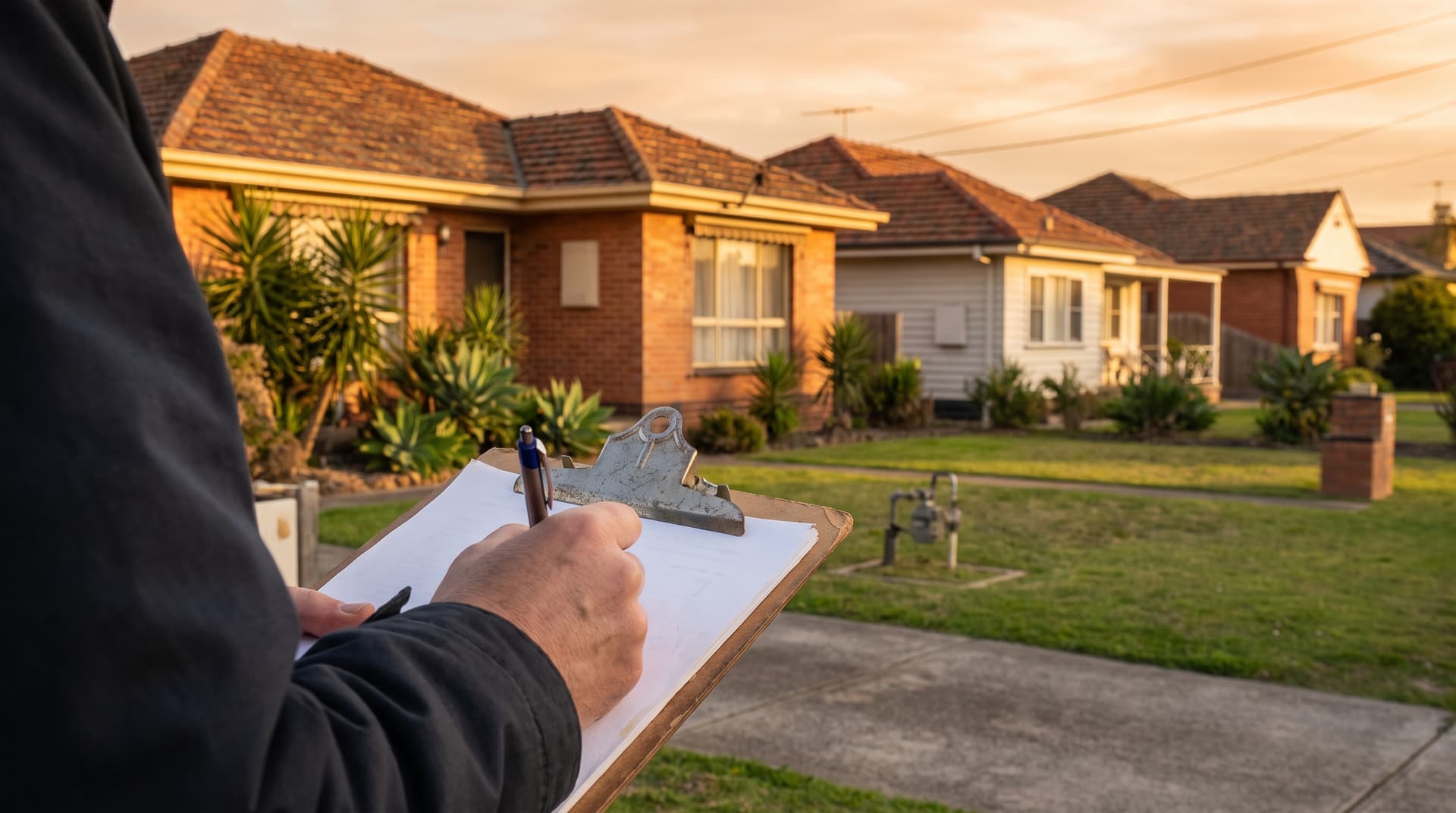
In 2013, roughly 10% of first-time buyers in Australia considered using a buyer's agent. By 2023, that number hit 40%. The surge has been sharpest in competitive markets like Sydney, Melbourne, and Brisbane, where affluent buyers drive demand.
More people hiring buyer's agents does not mean more people getting good ones. The buyer's agent industry in Australia is not tightly regulated. That single fact shapes everything below.
The question most articles try to answer is “are buyer's agents worth it?” The better question: is YOUR buyer's agent worth it? Because the gap between a skilled one and a bad one is wider than most investors realise, and choosing badly costs more than going it alone.
What a buyer's agent actually does for an investor
Selling agents are trained to get the best possible price for vendors. Most buyers do not fully understand the negotiation tactics being used on them. A buyer's agent sits on your side of the table.
In practical terms, that means advising when to hold off and go to auction, when to submit a pre-auction offer, and when to move in a multiple-offer situation depending on the market. For investors buying interstate or in suburbs they do not know well, a buyer's agent can provide local market knowledge and due diligence that would take months to build independently.
A buyer's agent is worth it when their expertise, access, and strategy lead to stronger outcomes than a buyer could achieve alone. In tight markets, that can mean securing the right property sooner and for the right price.
What does a buyer's agent cost in Australia?
The average buyer's agent fee sits between 1.5% and 3% of the purchase price. On a $700,000 investment property, that is $10,500 to $21,000.
Fee structures vary, and the structure itself tells you something about the agent's incentives. Some charge a fixed fee, others use a tiered system, and others charge a percentage of the sale price.
Percentage-based fees create an obvious tension. The more you pay for a property, the more the agent earns. A fixed fee removes that conflict. When comparing agents, ask yourself whether their fee structure rewards them for finding you a good deal or a more expensive one.
| Fee structure | How it works | Incentive alignment |
|---|---|---|
| Fixed fee | Set dollar amount regardless of purchase price | Agent has no reason to push you higher |
| Percentage (1.5%–3%) | Fee scales with purchase price | Agent earns more if you pay more |
| Tiered | Fixed base plus performance component | Depends on how the tiers are structured |
Are buyer's agent fees tax deductible?
This is where investors regularly get the wrong answer from forums and even from some agents.
Buyer's agent fees for investment properties are not immediately tax deductible. The ATO is clear: expenses incurred before a property is rented or genuinely available for rent cannot be claimed as an immediate deduction.
However, the fees are not lost. They form part of the cost base of the property, which reduces your capital gains tax when you sell. If you hold the property for 10 or 15 years, that reduction matters. But it is not the same as claiming the expense against this year's rental income.
For a full picture of what you can and cannot claim, see our guides on investment property tax deductions and the 2026 CGT changes.
When a buyer's agent is worth it
Three scenarios consistently justify the fee.
You are time-poor. Investors who don't understand much about the purchasing process or current market values benefit most from partnering with a buyer's agent. If your alternative is spending weekends for six months inspecting properties in suburbs you have never visited, a competent buyer's agent compresses that timeline.
You are buying interstate. Local knowledge is hard to replicate remotely. Suburb-level dynamics, agent reputations, and auction behaviour differ between cities. A buyer's agent embedded in the target market removes some of that information asymmetry.
You are entering a competitive market. In Sydney, Melbourne, and Brisbane especially, rising demand from affluent buyers pushes prices in ways that favour experienced negotiators over first-timers.
When a buyer's agent is not worth it
They specialise in new or off-the-plan properties. One industry figure puts it bluntly: buyer's agents who push new or off-the-plan stock are not worth paying for, given the building defects happening on an overwhelming scale. If your agent's shortlist is dominated by developer stock, question whose interests they are serving.
They are moving properties vendors cannot sell. A selling agent quoted by PIPA described watching buyer's agents buy “all the shitty properties” that listing agents could not sell, paying too much and not knowing what they were doing. That is a selling agent's perspective, but it highlights the risk: some buyer's agents function as a disposal channel for overpriced stock rather than as genuine advocates.
If you want the research capability and suburb analysis without the full buyer's agent fee, there are alternatives that sit between DIY and full-service representation.
The regulation gap most investors do not know about
The buyer's agent industry as a whole is not tightly regulated. That means the barrier to entry is low, and the quality variance across the industry is wide.
This is the core risk. A good buyer's agent can save you money and time. A bad one can cost you both, and you will not necessarily know the difference until after settlement.
The closest thing to a quality gate is REBAA accreditation. REBAA membership requires demonstrated experience, appropriate licences, and professional indemnity insurance. It is not a guarantee, but it filters out the least qualified operators.
How to vet a buyer's agent before signing
Six checks before you hand over a retainer:
- Experience floor. Look for a minimum of five years' experience and at least 20 to 30 transactions per year. Volume matters because it means they have seen different market conditions.
- Talk to past clients. Not testimonials on their website. Actual former clients you can speak to directly and ask about the properties they bought.
- Fee structure scrutiny. Ask whether the fee is fixed, percentage-based, or tiered. If percentage-based, ask how they handle the incentive conflict. Their answer tells you a lot.
- Do they focus on negatives? A buyer's agent worth their fee should be telling you about the negatives of a property just as much as the opportunities. If they only sell you on a property's upside, they are selling, not advising.
- REBAA membership. Check whether they hold REBAA accreditation, which requires appropriate licences and professional indemnity insurance.
- Property age preference. Ask what age of property they typically buy. If the answer skews heavily toward new builds or off-the-plan, that is a red flag given the scale of building defects in newer stock.
Another path: coaching instead of outsourcing
Some investors want the knowledge a buyer's agent brings but prefer to make the final call themselves. Property investment coaching fills that gap. You get the suburb research, deal analysis, and negotiation guidance without handing the buying decision to someone else.
It suits investors who have the time to attend inspections and handle the transaction, but want expert input on which suburbs to target and how to evaluate what they find.
FAQ
Are buyer's agents worth it in Australia?
They can be, depending on your situation and the specific agent. For time-poor investors or those buying interstate, a quality buyer's agent can lead to better outcomes. But the industry is loosely regulated and quality varies widely. A bad buyer's agent can cost more than going without one.
How much does a buyer's agent cost?
Typical fees range from 1.5% to 3% of the purchase price. On a $700,000 property, that is $10,500 to $21,000. Fee structures include fixed fees, percentage-based fees, and tiered models.
Are buyer's agent fees tax deductible for investment property?
Not immediately. The ATO treats them as part of the cost base of the property, which reduces your capital gains tax liability when you sell. They cannot be claimed against rental income in the year you pay them.
How do I choose a good buyer's agent?
Look for at least five years of experience and 20 to 30 transactions per year. Speak to past clients directly. Check for REBAA accreditation. Ask about their fee structure and watch whether they highlight negatives alongside opportunities.
What percentage of buyers use a buyer's agent in Australia?
Demand has grown significantly. In 2023, 40% of first-time buyers considered using a buyer's agent, up from 10% in 2013.