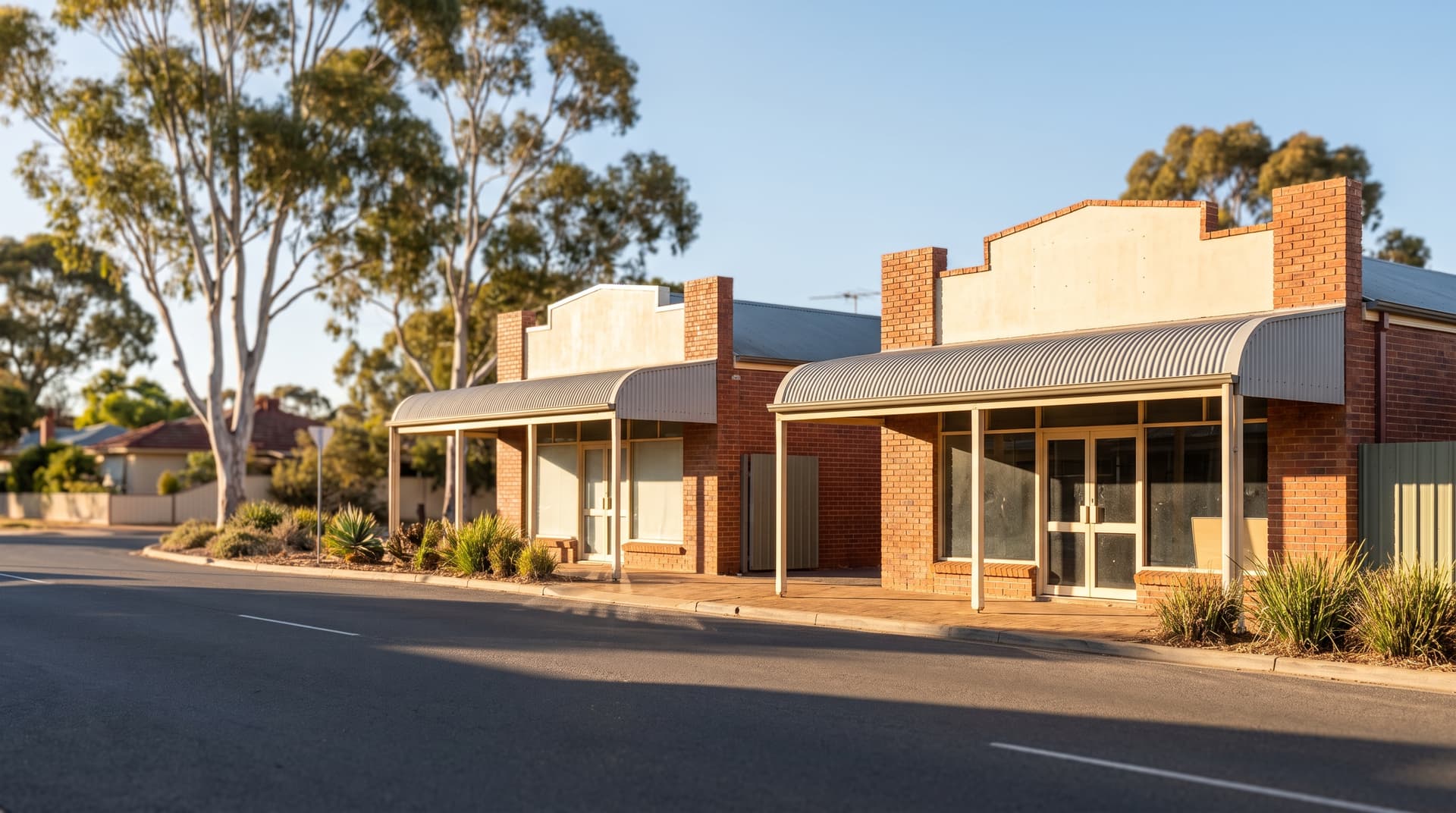
Commercial property in Australia pays a gross yield of 5.0% to 8.0% or more. Residential pays 2.5% to 4.5%. The average residential holding returns about 3.6%, while commercial assets can generate 8% to 12%, sometimes double the residential figure. If you have spent years holding houses and units, that yield gap is the first thing you notice.
The price of that income is a much larger deposit. Residential lenders can advance 80% to 90% of the purchase price, which means 10% to 20% up front. Commercial lenders typically require a 30% to 40% deposit, with typical LVR limits of 60% to 70%. A standard commercial loan sits around 65% LVR, and even a lender who stretches to 80% still requires a minimum 20% deposit. Commercial rates run 0.5% to 1.5% above residential, and the lender will assess the lease structure, the tenant, and the vacancy risk before committing.
In return you get a longer, more stable income stream.
Leases Run for Years, and the Tenant Pays the Bills
Residential tenancies in Australia run 6 to 12 months. Commercial leases run 3 to 10 years or more. A 3-year commercial lease is considered short; leases of 5 or 10 years are common, along with structures like a 5 plus 5, where the tenant holds an option to renew for a further 5 years. Annual rent increases are standard, set at a fixed 3% or 4% a year or indexed to the CPI.
On most commercial leases the tenant also covers the outgoings. Council rates, utilities, insurance, and maintenance sit with the tenant under a net lease, where a residential landlord would pay them. The landlord keeps a rent cheque with fewer deductions running against it.
What Different Budgets Actually Buy
The price range is the widest most residential investors will ever see. Commercial entry prices can run from $500,000 to $50 million, against a typical metropolitan residential band of $500,000 to $2 million.
At the smaller end, a single shop or small strata retail suite in a neighbourhood strip typically runs $500,000 to $3 million. Freestanding commercial buildings, such as standalone shops, medical centres, and childcare facilities, run $2 million to $15 million. Small office buildings or strata office suites run $1 million to $10 million. Industrial and warehouse units, small to medium strata or freehold, run $1 million to $20 million. Mixed-use buildings with ground-floor retail and upper-level residential run $3 million to $30 million, and small neighbourhood shopping centres run $10 million to $50 million.
Capital Growth Runs the Other Way
Residential property has historically delivered capital growth of 6% to 8% a year. Commercial property grows more slowly, at 3% to 6% a year depending on the sector. A commercial investor is buying income first and growth second. The tenant pays for the property over the lease term, and the capital gain, when it comes, is the bonus.
The Risks You Can Plan Around and the Ones You Cannot
Vacancy is the main difference. Residential vacancy is low because of a structural housing shortage. Commercial vacancy is higher and depends on the sector and the location, and a shop on a struggling strip can sit empty for months.
Selling takes longer too. A commercial property can take 6 to 12 months to sell, so the exit is not quick.
Depreciation works in your favour. Commercial properties carry higher costs in plant, equipment, and fit-outs, and items like lighting, air conditioning, and security systems typically depreciate faster. The deduction is bigger than what a residential landlord gets.
Commercial property also suits a particular profile. Entry costs are higher, and the asset class tends to suit investors with higher risk tolerance and larger capital reserves.
Where the Market Is Heading
The Australian commercial property market reached USD $36.1 billion in 2025 and is projected to reach USD $79.8 billion by 2034, a compound annual growth rate of 8.93% across the decade.
Retail was the standout performer in 2025, with $14.4 billion in transaction volumes, up 43% year on year, and annual returns of 9.2%. KPMG data put retail total returns at 7.3% for the September quarter 2025, the sixth consecutive quarter of increasing returns and the highest of the three major commercial sectors.
On the residential side of the comparison, CBRE projects rent growth of 24% and capital value growth of 28% for apartments between 2025 and 2030, driven by a demand-supply imbalance and demographic trends.
The Decision Comes Down to Equity and Income
The asset class changes; the discipline of checking the numbers before signing does not. A residential investor who can clear the deposit wall and shift from chasing capital growth to underwriting income first gains access to a market most landlords never enter.