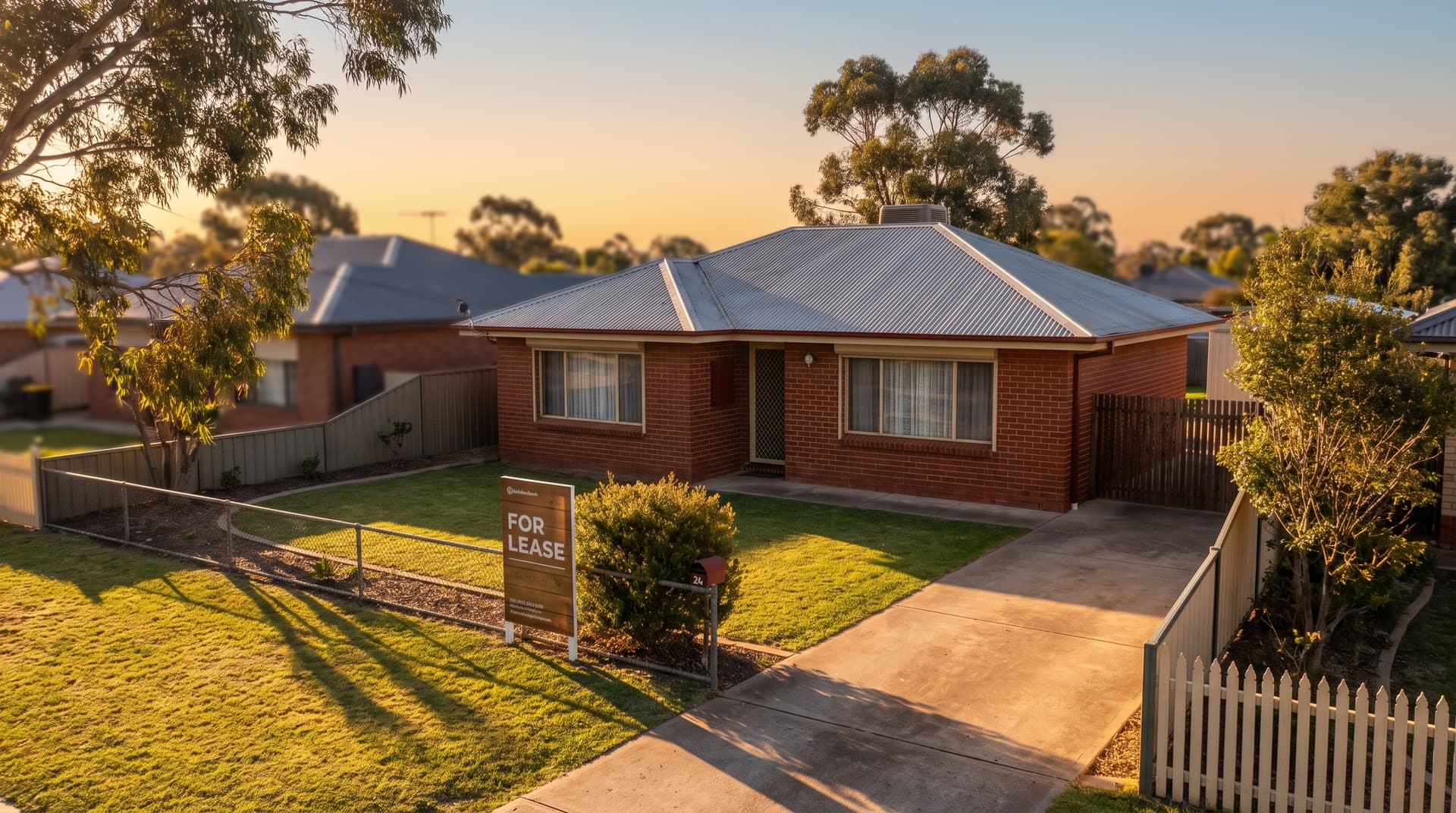
A tenant stops paying rent and contests the eviction. The tribunal process drags on for six to ten weeks. Your mortgage repayments continue. Your property manager's fees continue. The bond sitting in the trust account covers a fraction of the damage.
Standard home insurance pays nothing. It was never designed to.
That scenario, or some version of it, is where most investors first learn what landlord insurance actually does. The problem is that learning it after the fact costs tens of thousands of dollars.
Why standard home insurance fails rental property owners
A standard building policy protects the physical structure against fire, storm, and flood. That is where it stops. Standard policies typically exclude tenant-related claims entirely. No cover for rent default. No cover for malicious damage by a tenant. No cover for the legal costs of enforcing a lease.
If you are renting out a property on a standard home policy, you may be uninsured for the most common and costly events that affect rental properties.
Landlord insurance is a specialised policy that extends beyond building cover to include the specific risks that come with having tenants in your property. It exists because the risk profile of a tenanted property is fundamentally different from a home you live in yourself.
What landlord insurance actually covers
A comprehensive landlord insurance policy typically covers:
- Loss of rental income when a property becomes uninhabitable due to an insured event
- Tenant-caused damage, whether accidental or malicious, including deliberate destruction of fixtures, fittings, and inclusions
- Rent default when a tenant stops paying and the tenancy needs to be terminated
- Legal liability if someone is injured on the property and holds you responsible
- Legal expenses associated with tenant disputes, lease enforcement, or eviction proceedings
- Theft of contents you have provided as part of the tenancy, including whitegoods and appliances
Four scenarios illustrate why each of these matters.
Natural disaster. Bushfires, floods, and storms can render a property uninhabitable for weeks or months. During that period, mortgage repayments continue, property management fees continue, and rental income stops. Landlord insurance covers both the repair costs and the lost income during the uninhabitable period.
Tenant damage. Replacing flooring, repainting walls, repairing fixtures, and addressing structural damage can run to tens of thousands of dollars. The bond is rarely sufficient on its own. Landlord insurance covers repair costs above the bond amount. Some policies, such as Terri Scheer's contents cover, even include damage caused by a tenant's domestic pet (reptiles excluded).
Rent default. A tenant who stops paying and contests the eviction can leave you carrying the property for six to ten weeks without income while the tenancy tribunal process runs its course. Landlord insurance covers that lost income during the default period. Terri Scheer's loss of rental income cover extends to absconding tenants, defaulting tenants, failure to give vacant possession, death of a sole tenant, and hardship orders.
Public liability. A visitor trips on a broken step. A tradesperson is injured by a faulty fixture. The legal liability and defence costs fall on you as the property owner. Landlord insurance covers both.
You can structure your policy as building only, contents only, or combined building and contents, depending on your situation. An investor who owns a unit with no landlord-provided furniture has different needs from someone leasing a furnished house.
The fine print that determines whether a claim pays out
Three areas of the fine print catch investors out.
Loss-of-rent trigger conditions. Rent default cover often comes with conditions. How many days in arrears trigger a claim? Do you need a formal eviction process underway? These rules vary between insurers. Check them before you need to rely on them.
The 72-hour exclusion. Terri Scheer's building and contents cover includes a 72-hour exclusion for bushfire, storm, flood, or tsunami from policy commencement. Very limited exceptions apply. If you are settling on a property in a high-risk area, time your policy start date accordingly.
Documentation requirements. Signed lease agreements, entry and exit reports, and routine inspection records are essential for making successful tenant damage claims. Good documentation can make all the difference. If your property manager is not completing thorough condition reports with photos at every inspection, you are undermining your ability to claim.
A building and pest inspection before purchase also establishes a baseline. Pre-existing defects documented at purchase cannot be disputed later.
The tax deductibility of landlord insurance premiums
Landlord insurance premiums are fully tax deductible as a holding cost on an investment property. The ATO lists insurance, including building, contents, public liability, and loss of rent, as an expense eligible for an immediate deduction for rental property owners.
If you pay an annual premium part way through the income year, you can generally claim an immediate deduction in the year you make the prepayment, provided the eligible service period is 12 months or less and ends in the next income year.
This means a $550 annual premium paid in March effectively costs less after the tax deduction. Combined with your other investment property tax deductions, insurance premiums reduce your taxable rental income dollar for dollar.
What determines the cost of a premium
Landlord insurance premiums vary based on several factors:
| Factor | How it affects your premium |
|---|---|
| Location | Properties in areas with higher flood, bushfire, or crime risk attract higher premiums |
| Property type and value | Larger or more valuable properties cost more to insure |
| Coverage inclusions | Adding extras such as pet damage, legal expenses, or contents cover increases the premium |
| Excess level | Choosing a higher excess reduces the premium but increases your out-of-pocket cost on any claim |
| Rental income level | Policies covering higher weekly rents reflect a higher potential loss on income-related claims |
| Claims history | A clean record typically attracts better rates; previous claims may increase your premium |
To put cost in perspective: the annual premium is typically less than one week of lost rental income. One specialist insurer, Terri Scheer, advertises landlord insurance from $1.50 per day.
For unit investors, strata fees typically include building insurance for the common property and structure. But strata cover does not extend to tenant-related risks inside your lot. You still need a landlord policy for contents, rent default, and liability.
What to look for when comparing policies
Start with three questions:
- How long does the rent-loss period last? Some policies cap loss of rental income at a set number of weeks. If your state's tribunal process routinely takes longer than that cap, the policy leaves you exposed at the worst possible moment.
- Does your lender require it? If you have a mortgage on your investment property, some lenders may require proof of insurance as part of their loan settlement requirements. Check whether building insurance alone satisfies the requirement or whether your lender expects broader cover.
- Do you need building, contents, or both? A building-only policy suits an unfurnished apartment where strata covers the structure. A combined policy makes more sense for a house where you own the building and have provided appliances or furniture.
Beyond those three, read the trigger conditions for rent default claims. Read the exclusion list. Read the excess schedule. The cheapest policy is not the best value if it excludes the events most likely to affect your property.
Why the risk compounds over time
A single property held for a year faces modest odds of a significant claim. Scale that to a portfolio of multiple properties over a 20-year hold period and the picture changes entirely.
Each risk is manageable individually. Combined across a portfolio over two decades, significant insured events are almost certain to occur. The question is not whether you will face one of these situations. It is whether you will be protected when you do.
Landlord insurance is not an optional extra you add once the portfolio is “big enough.” It belongs on the first property, from settlement day, as part of the cost of holding an investment. The premium is tax deductible, it costs less than a week of rent per year, and it is the only thing standing between you and an uninsured five-figure loss when a tenant defaults or a storm takes the roof.
FAQ
Is landlord insurance tax deductible in Australia?
Yes. The ATO lists insurance (building, contents, public liability, loss of rent) as an expense eligible for an immediate deduction for rental property owners. Annual premiums paid mid-year can be deducted in full in the income year paid, provided the service period is 12 months or less.
What does landlord insurance cover that standard home insurance does not?
Standard home insurance typically excludes tenant-related claims entirely. Landlord insurance adds cover for tenant damage (accidental and malicious), rent default, loss of rental income, legal liability, legal expenses for tenant disputes, and theft of landlord-provided contents.
How much does landlord insurance cost?
Premiums vary by location, property value, coverage inclusions, excess level, rental income, and claims history. As a guide, the annual premium is typically less than one week of lost rental income. Terri Scheer, a specialist insurer, offers landlord insurance from $1.50 per day.
Do I need landlord insurance if I have strata insurance?
Strata insurance covers the building structure and common property. It does not cover tenant-related risks inside your lot, such as rent default, tenant damage to your contents or fixtures, or loss of rental income. You still need a separate landlord policy for these risks.